
Visit & Research

Research FAQ

Practical notes on preservation, access, and using this archive for personal or educational study.

How are northern coast lighthouses preserved today?

Most surviving towers are maintained through a mix of public stewardship, local trusts, and conservation specialists. Work generally prioritizes structural safety, weatherproofing, and historically appropriate repairs rather than full modern reconstruction.

Are the sites and materials accessible to all visitors?

Access varies by location and season. Some towers have step-only interiors or uneven terrain, while others provide improved pathways and interpretation at ground level. We recommend checking each location note before planning a field visit.

What does the archive currently include?

The collection combines historical photographs, map references, short keeper accounts, and preservation notes. Coverage is strongest for documented northern coast stations, with ongoing additions as verified records and image rights become available.

How do seasonal coastal conditions affect visits and documentation?

Wind exposure, fog, and winter surf can limit safe approach and reduce visibility for photography. Seasonal notes in our map and visit entries highlight common constraints so researchers and travelers can plan realistic timing.

Can I use this site for personal or classroom research?

Yes. The material is organized to support independent study, classroom context, and local history projects. For formal citation, use the source notes attached to each entry and verify publication rights before reproducing archival imagery.

Visit orientation

Plan for the coast, tread lightly around preserved towers.

Conditions along the northern shoreline shift quickly. A little preparation helps protect both visitors and the historic sites, preserving these landmarks as working records of maritime life.

Respectful visiting checklist

  • Check marine forecasts before departure and prepare for rapid wind and visibility changes.
  • Wear stable footwear suitable for wet stone paths, uneven steps, and exposed coastal ground.
  • Do not climb barriers or move historic objects; treat structures and signage as protected records.
  • Confirm seasonal access notices, daylight windows, and local path restrictions before arrival.
Browse the map
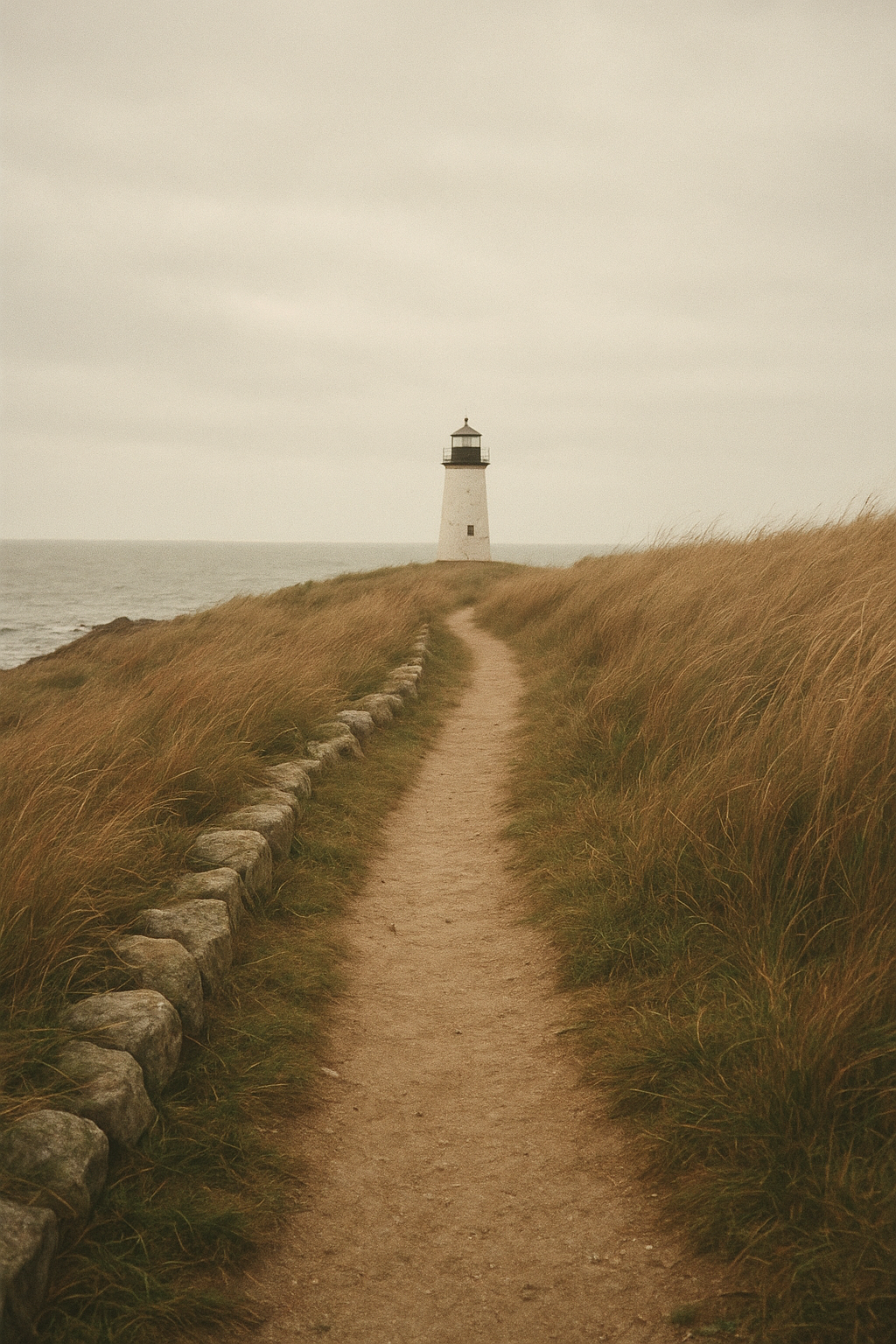
Warm-toned archival-style photograph of a weathered footpath leading to a northern coast lighthouse under soft overcast light
Field note image: approach path near a preserved tower, photographed in soft coastal haze.