
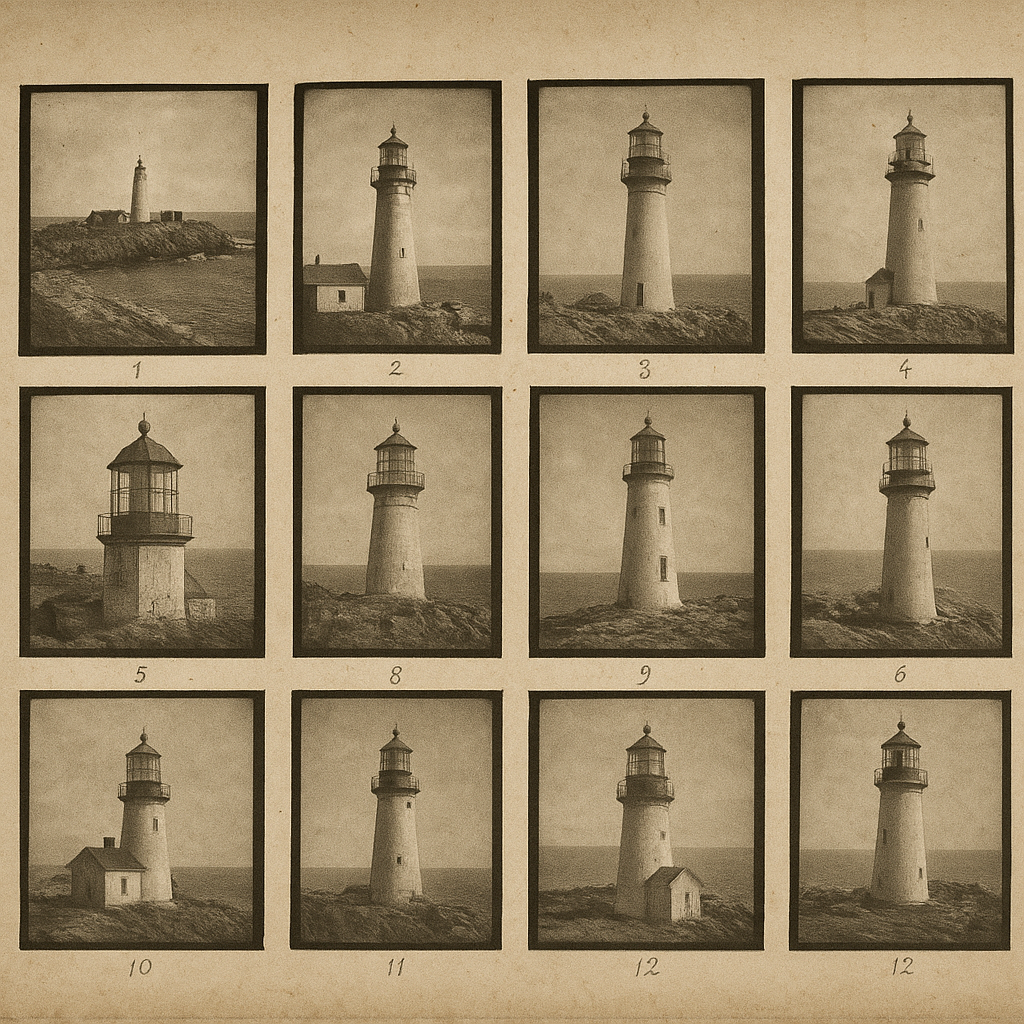
Archive Photography
Browse annotated coastal negatives and lantern-room interiors
High-resolution archival frames with dates, station marks, and restoration notes for focused visual research.
Northern Coast Lighthouses
Explore archival photography, keeper voices, and mapped towers from the northern shoreline in one calm documentary archive.
Collection at a glance
Explore the collection
Start with photographs, documented towers, keeper routines, or geography—each route is concise and built for careful browsing.
Archive Photography
High-resolution archival frames with dates, station marks, and restoration notes for focused visual research.
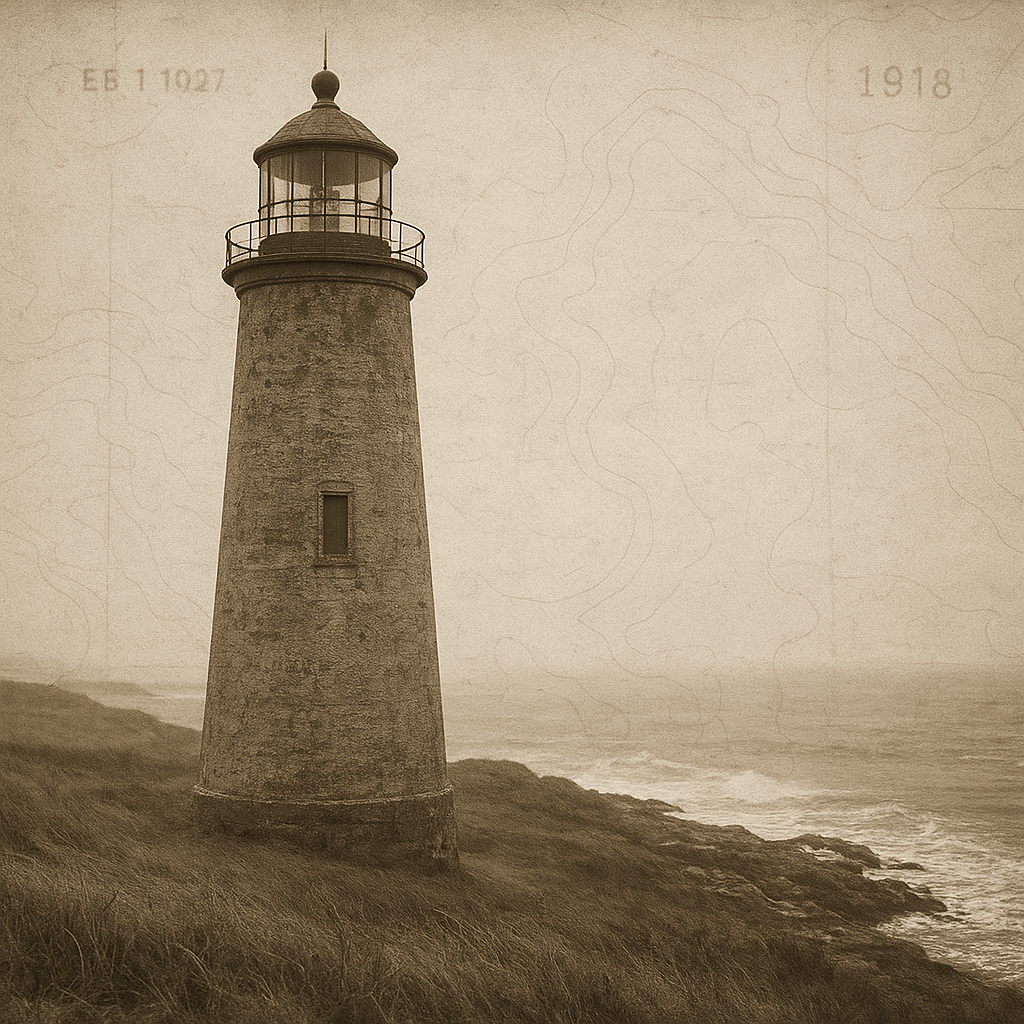
Trace construction phases, redesigns, and preservation milestones station by station.
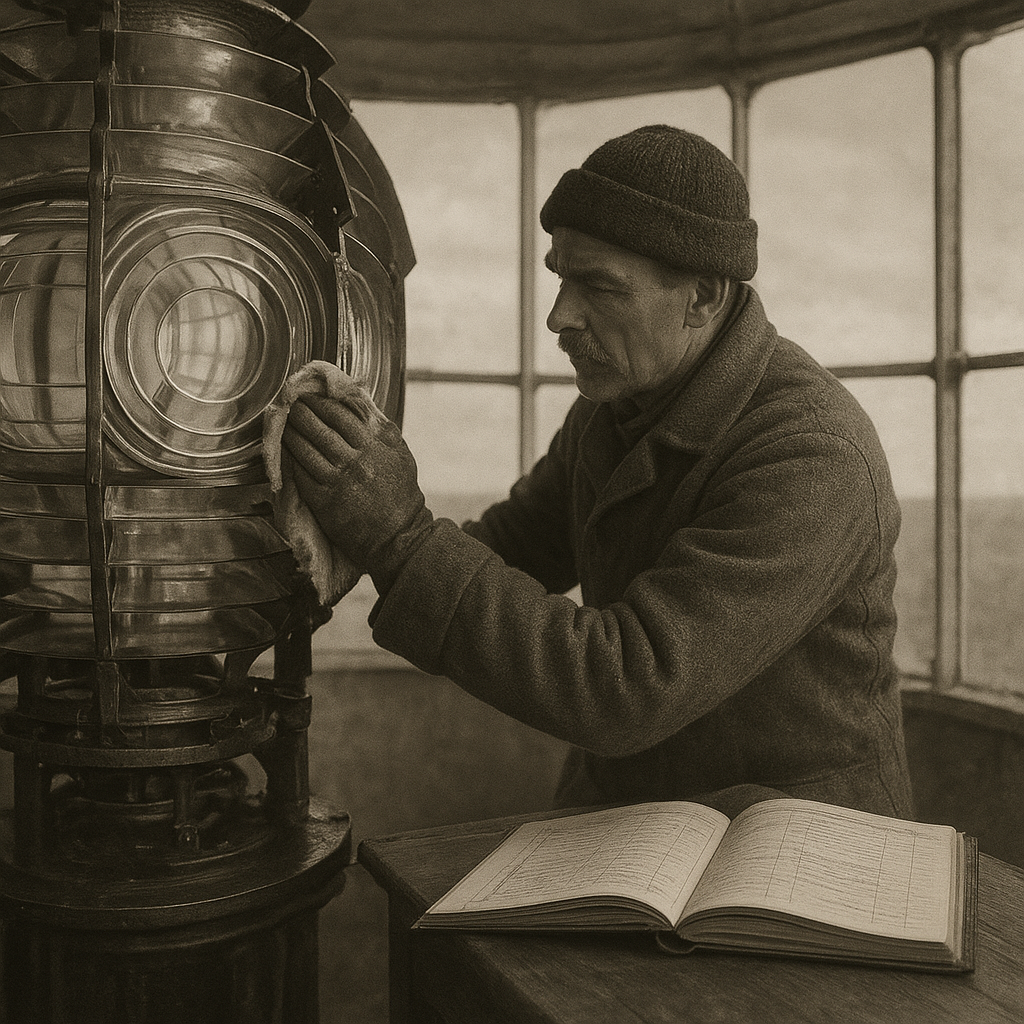
Read daily maintenance rhythms, weather observations, and watch-change records.
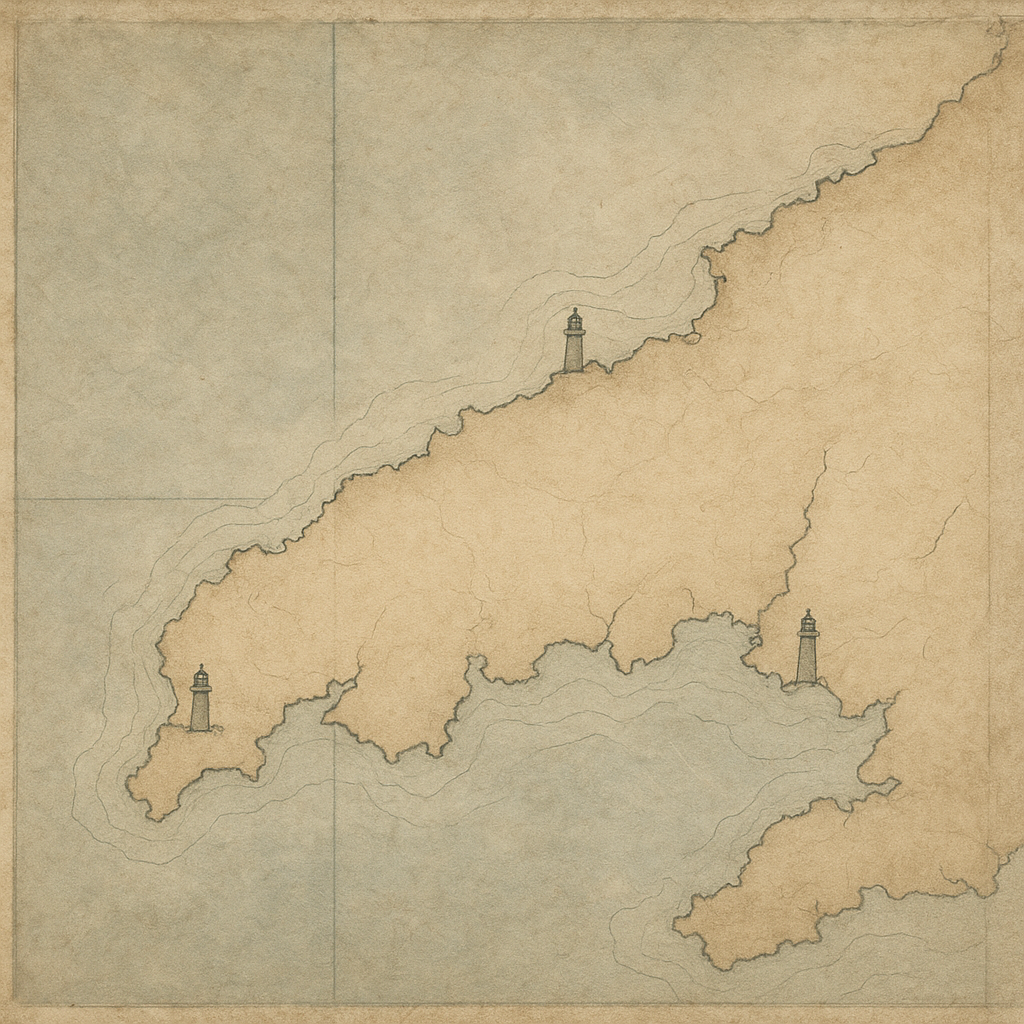
Follow preserved towers across headlands, inlets, and historic navigation corridors.
Northern Coast Chronology
1820s–1840s
Early masonry towers were raised at dangerous shoals to guide timber and fishing vessels through winter fog.
1850s–1870s
Keeper families established year-round stations, recording storms, wrecks, and supply routes in detailed logbooks.
1880s–1910s
Fresnel upgrades and telegraph links connected isolated towers into a coordinated coastal safety system.
1920s–1950s
Engine-powered shipping shifted traffic patterns, and several remote lights were rebuilt after severe coastal erosion.
1960s–Today
Automation reduced staffed stations while preservation groups restored key towers as public historical landmarks.